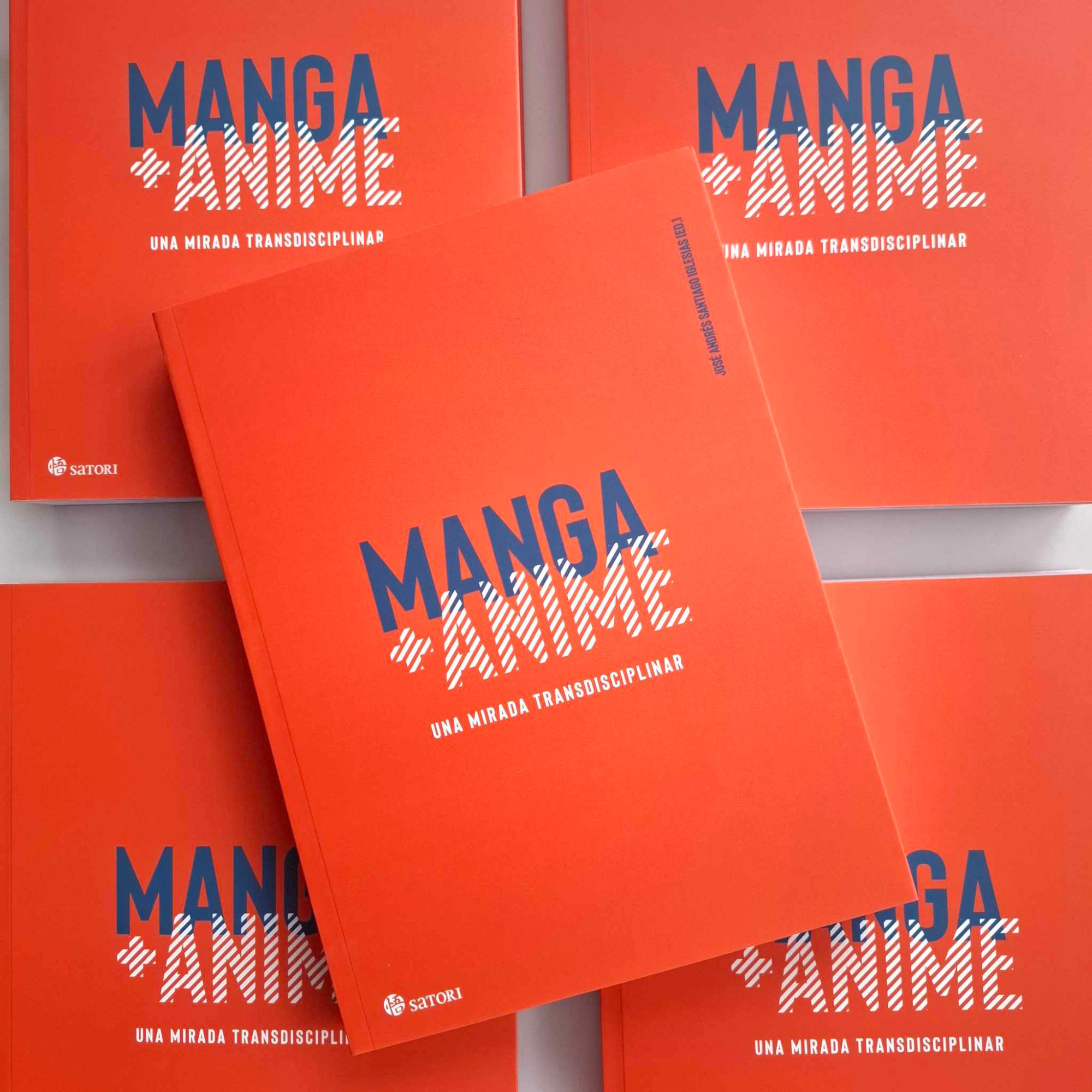
_Manga+Anime
A transdisciplinar approach_ materia
_ especialidad
_Manga+Anime
A transdisciplinar approach
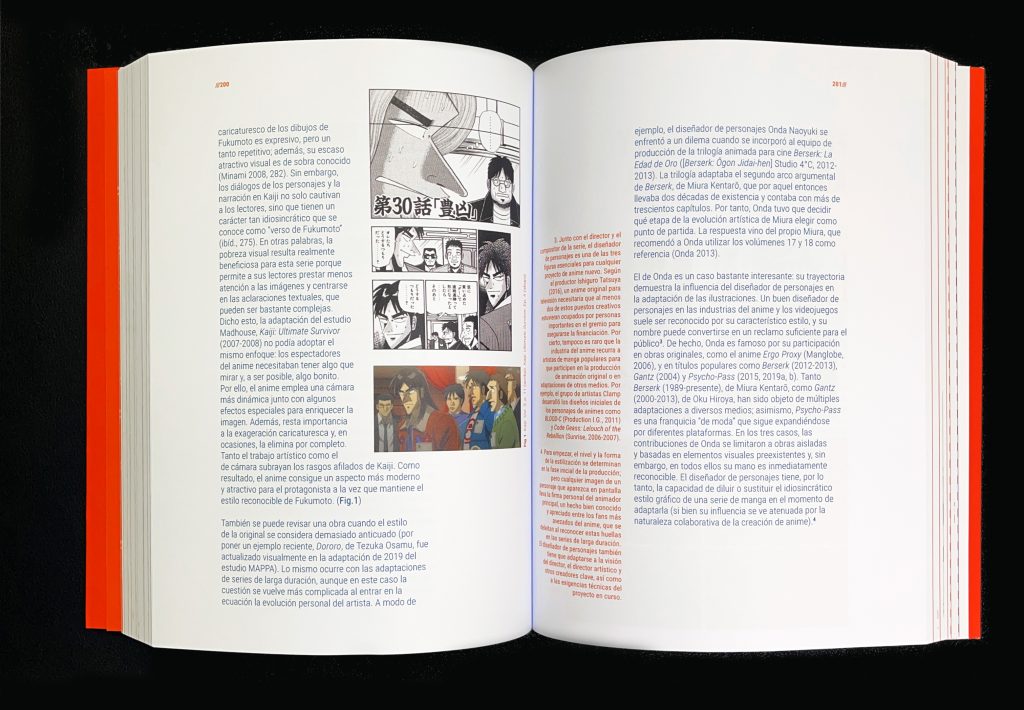
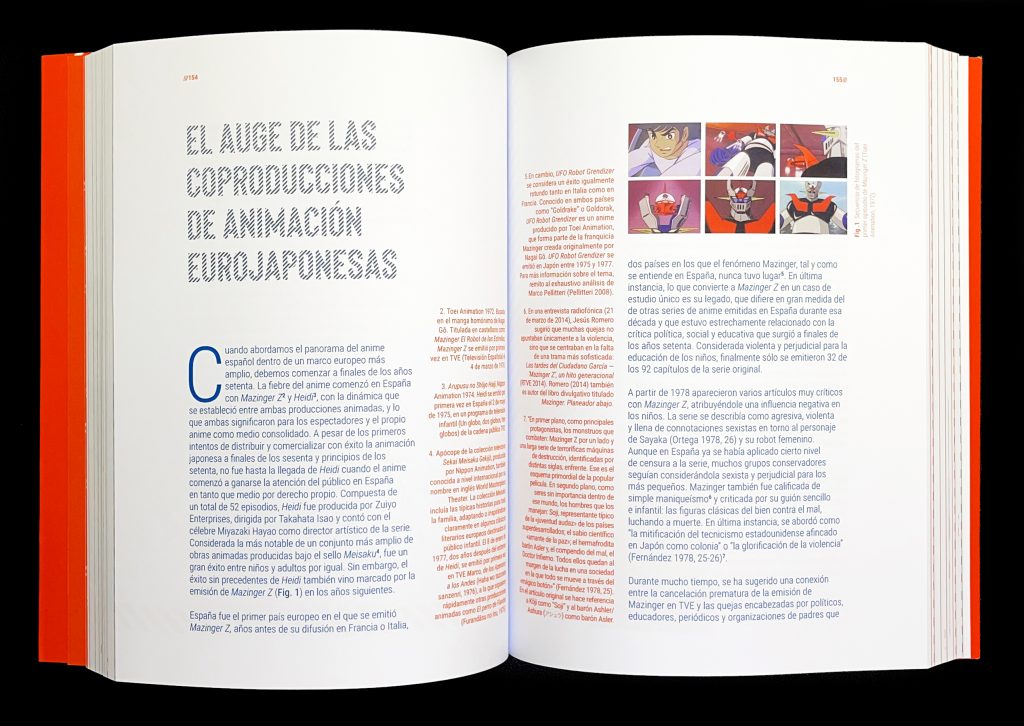
Manga + Anime. A Transdisciplinary Perspective is a collective volume aimed at the new generation of Spanish-speaking researchers in manga and anime. Through the selection of chapters presented, this book seeks to offer a broad approach to manga studies and anime studies, as well as to the overlaps and intersections that frequently occur between the two. Thus, manga and anime are addressed as medial forms; always —as the title itself suggests— from a transdisciplinary perspective, while also attempting to outline a way of understanding manga and anime studies that pays particular attention to material, formal, aesthetic, and textual aspects, without neglecting the dynamics of categorization, production, distribution, and consumption. This approach focuses on the medial dimension of anime and manga, in contrast to analyses that prioritize representational aspects —which have overwhelmingly dominated the study of both media to date.
_origin
The seed of this volume was planted during the 5th International Forum on Creation at the Border, held in Pontevedra in March 2019. This academic symposium brought together a dozen researchers from around the world, all specialists in manga and anime studies, and was conceived from the outset as a truly transdisciplinary encounter. During the 2019 colloquium, we reached the conclusion that exchanges between researchers with interdisciplinary and diverse backgrounds not only foster rich synergies and fruitful collaborations in manga and anime studies, but are also highly relevant, as they tend to offer complementary perspectives that, due to the specificity of our respective fields, we often unintentionally overlook. Accordingly, the contributors to this book come from a wide range of disciplines, including Fine Arts, Aesthetics, History and Art History, Library and Information Science, Sociology, Narratology, Philosophy, Cultural Studies, and Comparative Literature, among others.
_Perspective
This publication was born with a dual purpose. Its first aim is to offer a selection of interdisciplinary chapters by emerging authors, intended as essential reading and reference for researchers beginning their work in manga and anime studies. It seeks to guide these new readers toward a set of texts that move away from area studies and representational readings of specific manga or anime titles, advocating instead for the study of manga and/or anime as medial forms, approached through their aesthetic and material specificity. Equally important, the second goal of this book is to build bridges and foster dialogue and communication with the growing and vibrant Latin American community of Manga and Anime Studies. At the same time, it aims to highlight and affirm the research being carried out within the Spanish-speaking academic sphere.
Likewise, this volume has not been categorized under the acronym manganime, but rather insists on presenting both media as separate entities which, despite their deep interconnections, possess full autonomy. In this way, we believe that such an approach avoids generalizations and reductive readings, while still embracing the overlaps and transversal dialogues inherent to manga and anime studies.